Table of contents
When winter transforms the mountains into a snow-covered paradise, the right choice of gear can mean the difference between an unforgettable adventure and an uncomfortable ordeal. Discover how thoughtful gear selection elevates every aspect of your mountain experience, from warmth and safety to mobility and enjoyment. Read on to uncover expert advice on equipping yourself for winter’s unique challenges and making every moment in the mountains count.
Mastering winter layering systems
Understanding the core principles of winter layering is key for anyone seeking peak comfort, adaptability, and thermal regulation in mountain environments. A robust layering system typically begins with a base layer crafted from moisture-wicking materials, such as merino wool or synthetic hydrophobic fibers, which effectively draw sweat away from the skin and prevent chilling. The mid layer, often made from fleece or insulated materials, serves as the primary insulator, trapping body heat while still allowing vapor to escape. An outer shell, constructed with breathable yet waterproof fabrics, shields you from wind, snow, and moisture without causing overheating. By investing in the right mountain clothing, outdoor enthusiasts ensure that each component works together, providing a flexible response to rapidly changing weather conditions and intense physical exertion often encountered during alpine adventures.
The benefits of this tactical approach to outdoor gear extend beyond warmth. Proper winter layering ensures optimum moisture-wicking and breathability, reducing the risk of overheating or hypothermia during high-output activities. A well-chosen system adapts easily, whether you’re skiing, snowshoeing, or hiking. Leading brands, such as those found at ski rental verbier, often offer high-performance gear designed to meet the demands of mountain sports. Opting for tested technical materials and hydrophobic fibers in each layer enables both beginners and seasoned athletes to maximize their mountain experience with confidence and comfort. These considerations are especially relevant when choosing equipment for challenging alpine conditions like those in Verbier, where having the right winter layering system can make all the difference.
Prioritizing Footwear And Traction
Selecting proper winter boots is a decisive factor for comfort and safety in mountain terrain. Insulated footwear designed for cold conditions helps retain warmth, reducing the risk of frostbite and numbness, while advanced waterproof hiking technology ensures feet remain dry even in slushy or deep snow. Modern winter boots often feature robust outer materials and a thermoplastic polyurethane (TPU) shank, delivering both stability and flexibility on unpredictable surfaces. A quality sole design with aggressive lugs maximizes grip, especially when paired with mountain traction devices such as microspikes or crampons. Compatibility with these accessories is vital for secure attachment and efficient movement on icy or rocky paths, preventing slips that could result in serious injury. When considering mountain adventures, always prioritize footwear with sufficient insulation, effective waterproofing, and reliable traction systems to fully equip for challenging winter environments.
Optimizing Protection From The Elements
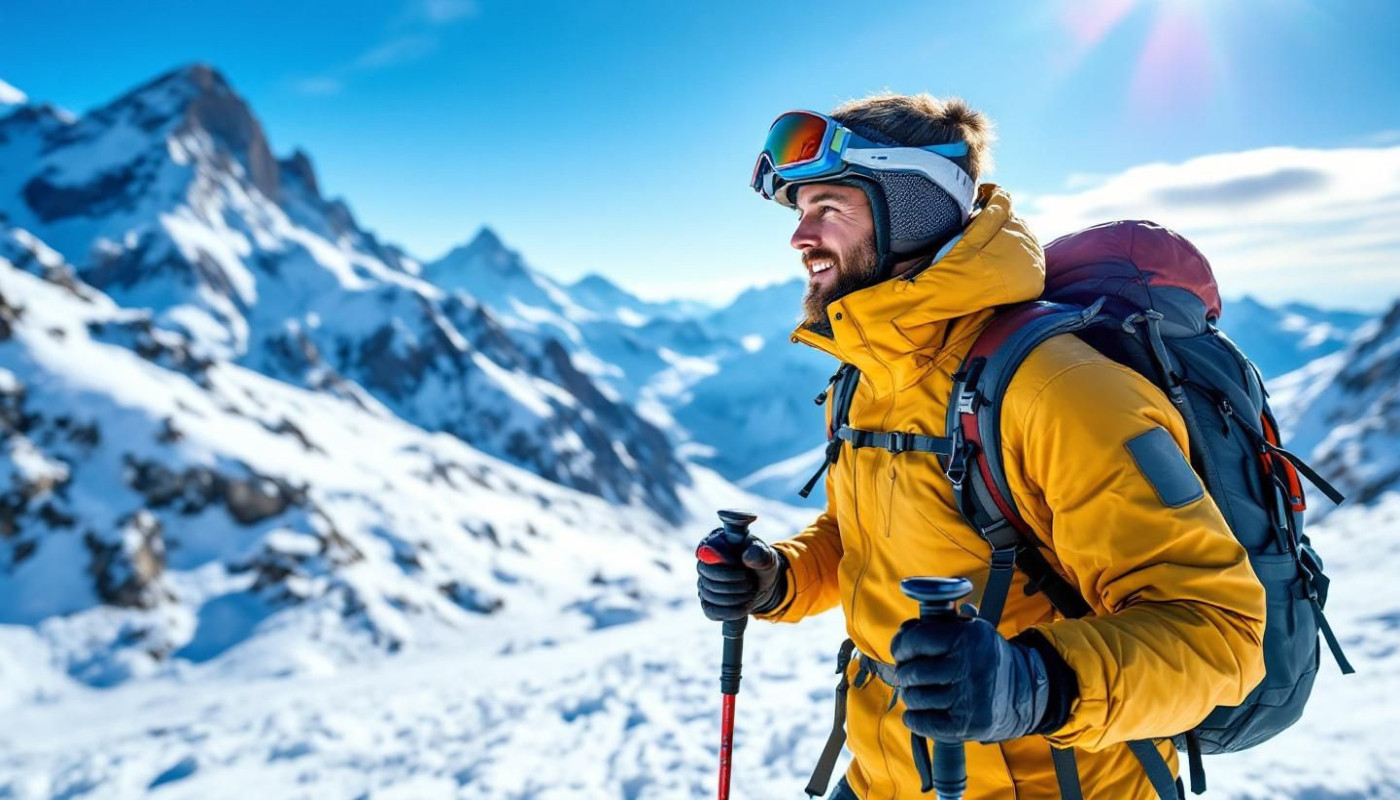
Facing harsh alpine conditions requires protective outerwear and winter accessories designed specifically for mountain weather protection. Windproof gear with features such as a laminated membrane, adjustable hoods, and sealed seams guards against biting winds, blowing snow, and frigid temperatures, significantly reducing the risk of hypothermia or frostbite. Cold weather clothing crafted with advanced materials helps block wind penetration while allowing for moisture control, a balance that is key for active pursuits in the mountains. Gloves, hats, and goggles form an indispensable barrier, shielding extremities and eyes from cold, snow, and glare, and ensuring safety and comfort. Reliable winter accessories not only protect but also enable climbers to maintain dexterity and vision even in the harshest winter conditions, ultimately enhancing both performance and enjoyment of the outdoor experience.
The Role Of Lightweight Gear
Opting for lightweight gear has a direct impact on mountain mobility and overall alpine safety. When equipment is both lightweight and compact, such as packable clothing made with high-tenacity nylon, hikers experience greater freedom of movement and less strain on joints and muscles. This translates to reduced fatigue during long ascents or technical traverses, enabling efficient hiking and better performance at altitude. The integration of advanced materials like high-tenacity nylon and ultralight insulation technologies provides durability and weather protection while keeping weight to a minimum. Renowned outdoor equipment engineers emphasize that modern design innovations, including minimalist hardware and streamlined silhouettes, allow for lighter gear without diminishing critical performance attributes. Carrying less bulk not only improves comfort but also enables faster response in emergency situations, significantly contributing to the safety of everyone in challenging alpine environments.
Ensuring Safety With Specialized Equipment
Specialized winter equipment plays a decisive role in winter safety and mountain preparedness, offering both protection and confidence for those venturing into snowy environments. Avalanche equipment, such as the avalanche transceiver, is engineered to locate individuals quickly in the event of an avalanche, significantly increasing rescue success rates. For optimal performance, select a transceiver that offers multiple antennae and clear digital displays, and train regularly to use its features under pressure. Snowshoeing gear, including quality snowshoes with aggressive traction and supportive bindings, distributes weight to prevent postholing and allows for efficient movement across powder and crust. Furthermore, trekking poles provide vital stability on uneven, slippery terrain; adjustable, lightweight poles with snow baskets are recommended for reliable support and ease of use in winter conditions.
To maximize mountain preparedness, each piece of equipment should be chosen based on terrain, snow conditions, and user proficiency. A certified mountain safety instructor advises that regular practice with avalanche transceivers and participation in safety workshops enhances preparedness and quick decision-making in emergencies. When selecting snowshoeing gear, prioritize correct sizing and compatibility with winter boots to ensure comfort during long treks. Trekking poles must be adjusted to the appropriate height to reduce fatigue and support joint health. Adopting and maintaining these tools not only reduces risks but also empowers adventurers to explore winter landscapes with greater assurance and enjoyment, making specialized gear indispensable for anyone serious about winter mountain activities.
Similar

How Legendary Players Shape National Sports Culture?

Exploring The Psychology Behind Clutch Performances In Sports

Understanding Different Types Of Loyalty Bonuses In Sports Gambling

Unlocking the Secrets of Extreme Marathon Runners
